History
1963
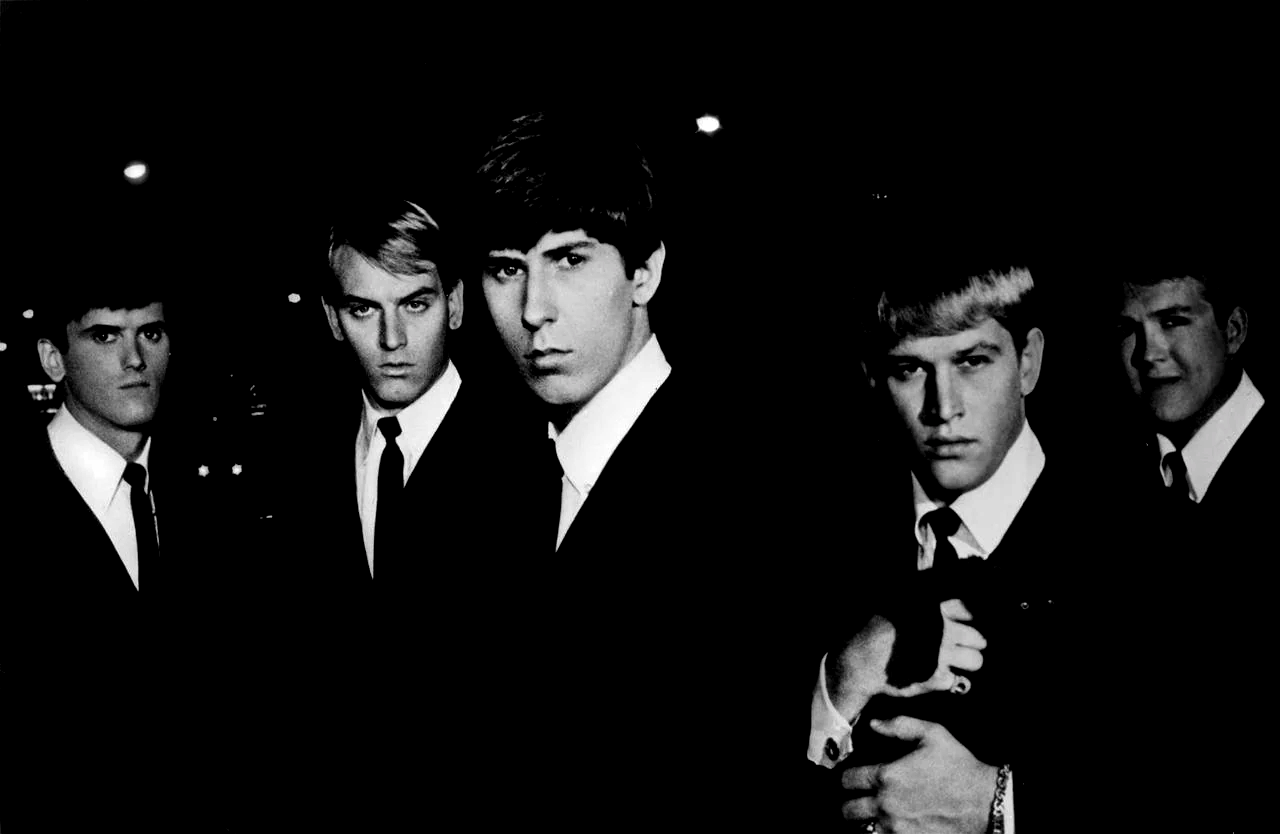 In 1963, Oregon band, The Kingsmen had a huge hit with the song “Louie, Louie”. Because the band was used to playing small hops and school dances, they were ill-equipped to play the large venues of a nationwide tour. The lack of suitable amplification was a well-known issue at the time with bands such as the Beatles and The Rolling Stones frequently playing shows where the audience were completely unable to hear the music. Kingsmen bassist Norm Sundholm enlisted the help of his brother Conrad to help solve his problem.
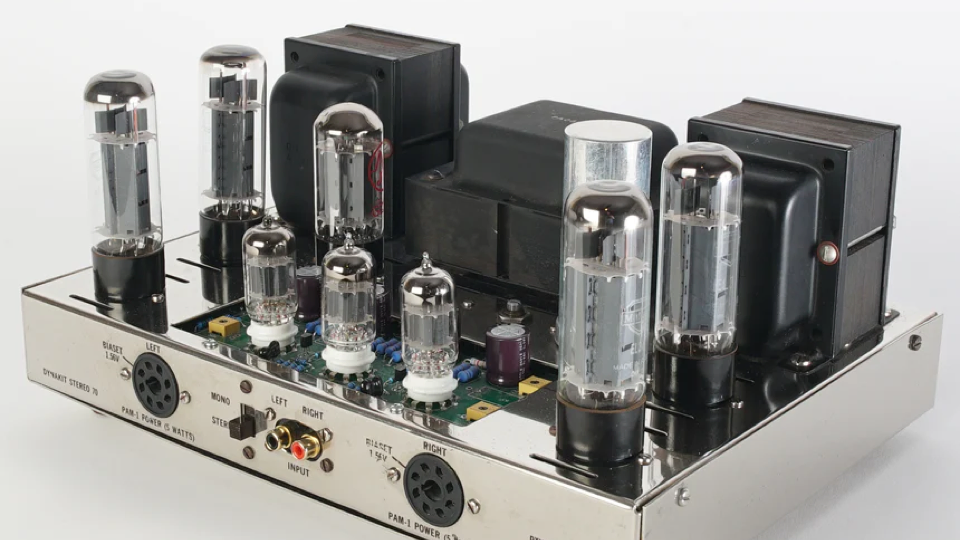
Conrad used two Dynaco Hi-Fi amp kits and stacked them together. Popular with enthusiasts at the time, Dynaco kits were designed by audio engineer David Hafler who pioneered the use of ultra-linear designs. The ultra-linear circuit was created by English electronics genius Alan Blumlein who was one of the most prolific inventors of the early 20th Century with 128 patents in telecommunications, audio, TV and radar. Blumlein died at age 38 when his Halifax bomber crashed in Herefordshire, England during secret testing of an H2S airborne radar.
Able to provide higher output at lower distortion across a wider range, this system was the ideal solution to the volume problem.
1964
By 1964, the Sundholm brothers had designed a high-powered bass amplifier, and the Sunn Musical Equipment Company was founded.
1969
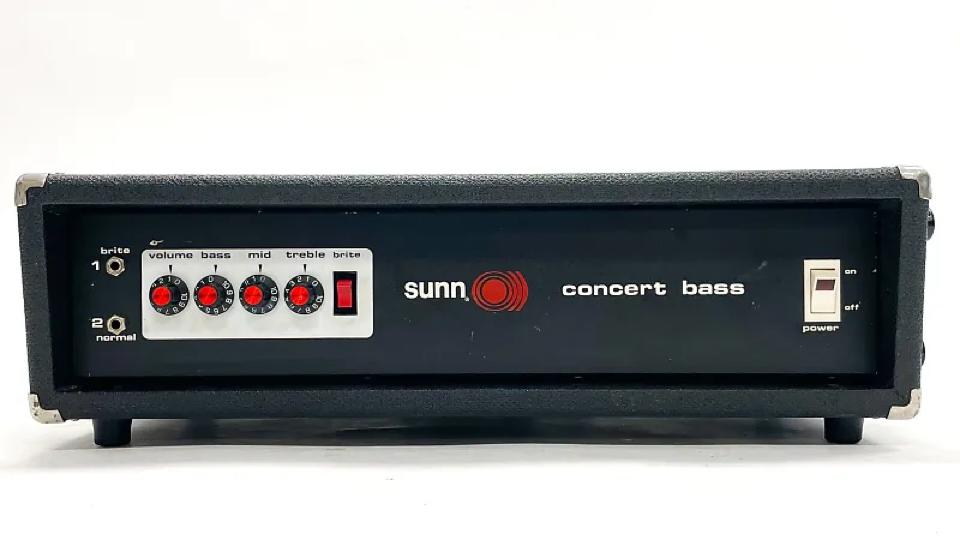
In the late 1960s and early 1970s, the popularity of Sunn amps exploded. Much louder and more powerful than similar equipment of the time, the company’s amplifiers and speakers were used by some of the biggest names in rock and roll, including Jimi Hendrix, The Who, Kiss, Queen, and Black Sabbath. Sunn amplifiers became synonymous with the heavy, overdriven sound of early heavy metal and hard rock.
New York band Mountain’s guitarist Leslie West attributed his sound in part to the use of the Sunn Coliseum amplifiers. Known for the song "Mississippi Queen", as well as the heavily sampled song "Long Red" and an electric performance at the Woodstock Festival in 1969, Wests Sunn amp guitar tone is now recognized as one of the defining sounds that created Heavy Metal
1972
In 1972 the Sundholm brothers sold Sunn to Hartzell Manufacturing. Folklore is that Conrad Sundholm and Tom Hartzell sketched out the acquisition terms on a bar napkin. Tom was excited to be involved in the Music Business and Sunn rapidly expanded producing speakers, monitors, mixers, PA systems and stage lighting alongside the famous guitar amplifiers.
The Tualatin factory, created from a converted public swimming pool, was too small for the expanded business. Production was extended to a large new Hartzell facility in Williamstown, Kentucky. A woodshop was created for cabinet manufacturing and a complete speaker line was set up. More employees were hired in Williamstown to support the new factory.
1977
Efforts to relocate Sunn Headquarters from Oregon to Williamstown stalled when senior Sunn management, Sales/Marketing staff and all of Engineering refused to move. Then on July 31, 1977, Tom Hartzell was killed in a plane crash during an Alaska fishing trip. Tom's brother Jim Hartzell assumed control of the Corporation and Sunn.
1985
Sunn did find a way to develop and promote new innovative products like the Alpha and Beta series, but Hartzell Industries never really understood the dynamics of the musical equipment business. It was a constant challenge to find support for product development and marketing programs and in December 1985, Sunn was sold to Fender.
One would think that being part of the creation of one music genre, Heavy Metal, would be enough for one brand and this could be the end of the story right here. But as the 1990’s come around guitar music returns to popularity, and with it comes the sound of a very different but equally pioneering audio amplifier.
Solid state amplifiers are smaller, lighter, lower cost and much more powerful than their tube predecessors. CMOS technology since it dissipates less power, was an attractive option for high powered audio amplifiers. A buzz word for the times, the CMOS Technology labelled Sunn Beta series became Sunn’s main guitar amp line.
Like Leslie West at the birth of Heavy Metal before him, Melvins guitar player Buzz Osborne was at the transition from Punk to Grunge and Doom Metal. His guitar amp of choice, the Sunn Beta Lead. As grunge takes hold, the Beta Lead is picked up by other players including Kurt Cobain and Nirvana and Sunn is again at the forefront of a new music genre.
At the turn of the millennium, the music industry is changing once more. As the popularity of heavily produced streaming music increases FMIC finds itself with several competing brands on the roster, and in 2002 decides to retire Sunn.
Today, Sunn amplifiers are prized by vintage gear collectors and musicians looking for those classic tones. Its legacy lives on through its colorful history, iconic red Sunn logo, and the countless amps that were built and used by some of the most influential musicians of the 20th century.
2023
In 2023 a group of experienced music and electronics industry executives licensed the rights to build Sunn branded products and recreated Sunn Musical Equipment Corp. The team includes executives from Mission Engineering, Bose, Fender, Charvel, Yamaha, Intel and HP, as well as an advisory team made up of former Sunn engineers, designers and management. You can read more about the team here.