
Chapter 1: The Problem
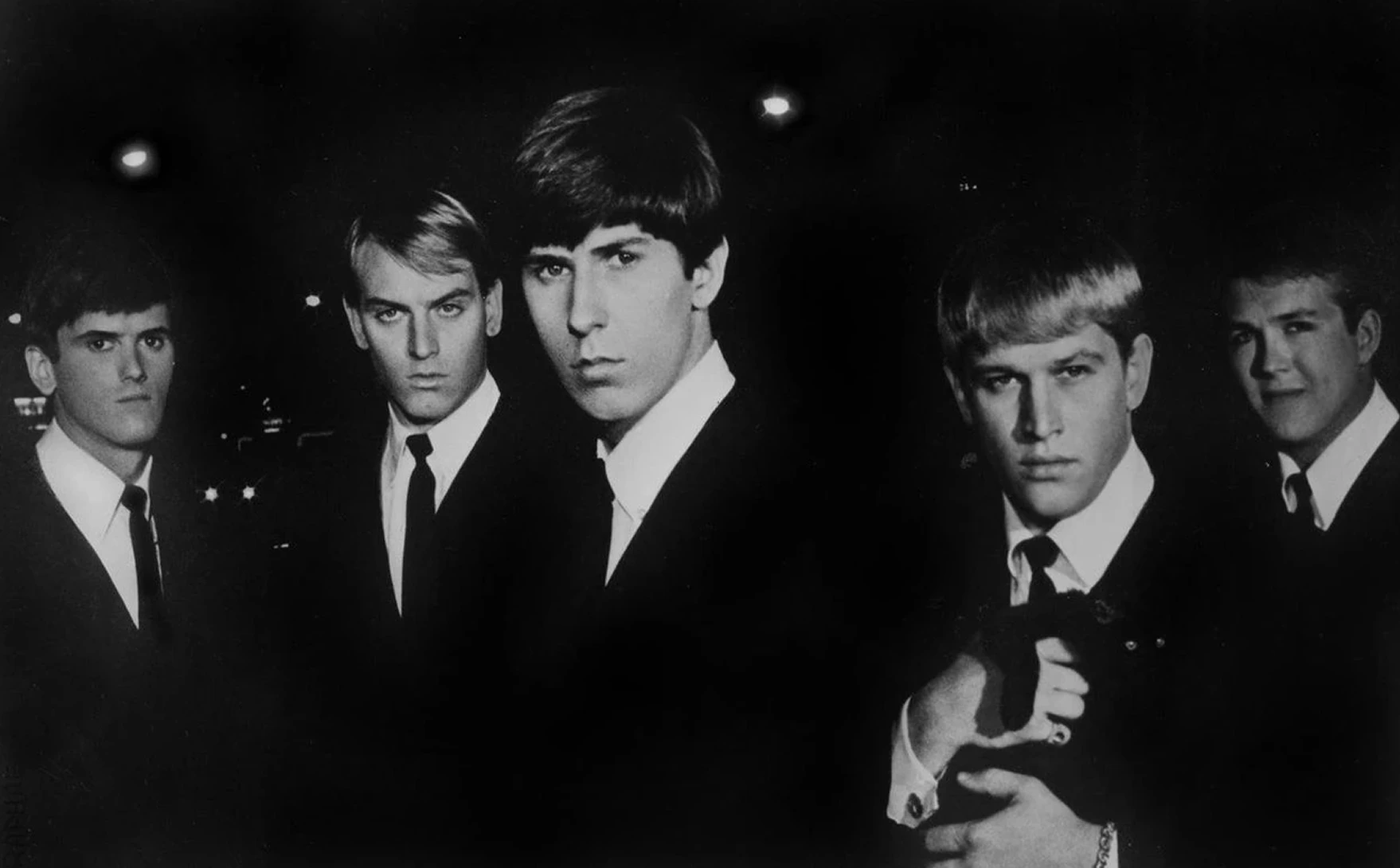
In 1963, The Kingsmen had a hit—“Louie Louie.” Crowds were growing. Rooms were getting louder. But Norm Sundholm, the band’s bassist, had a problem: no one could hear him.
Night after night, his bass lines vanished in the noise. Most players might shrug. Norm didn’t.
He went to his brother Conrad—a high school physics teacher who spent his nights surrounded by tubes, transformers, and speaker parts. “I need more power,” Norm said. And Conrad built it.
Out of a suburban garage in Tualatin, Oregon, came something new: a bass amplifier that could not only match the roar of the crowd, but cut through it with warmth and clarity. It wasn’t long before other musicians started asking, “What the hell is that rig?”
By 1965, the brothers had a name: Sunn Musical Equipment Company. They moved from garage to pool house, hand-assembling amplifiers that were louder, cleaner, and more rugged than almost anything else on the market.
Chapter 2: The Rise
Early Sunn amps like the 100S and 200S were powered by Dynaco hi-fi circuits and loaded with JBL speakers. The cabinets were folded-horn monsters that pushed air like few things before them.
Word spread fast.
One of the first major players to take Sunn on the road was Noel Redding of The Jimi Hendrix Experience, who used a Sunn 200S as his primary bass rig in 1968.
Then came Leslie West, shaking the crowd at Woodstock with a Sunn-powered PA during Mountain’s iconic set.
Soon, Sunn became the trusted name behind some of the most explosive sounds in music:
The Who used Sunn for their U.S. tours and even recorded a radio ad for the brand.
Cream, Led Zeppelin, Rush, and Kiss carried the sound further.
The Allman Brothers, Steppenwolf, and The Moody Blues joined the wave.
This wasn’t boutique gear. This was workhorse tone at maximum volume.
Chapter 3: The Sonic Architect
By 1970, audio engineer Bob Heil saw something big in Sunn. He wasn’t just their biggest dealer—he became a collaborator.
Together, they designed the Sunn Coliseum PA system, a powerful and road-tested rig that redefined what live sound could be.
In 1971, The Who’s U.S. tour was powered by that system, marking the moment Sunn jumped from amp brand to touring infrastructure.
Chapter 4: What Made It Sunn
Sunn didn’t just get loud. It got loud with discipline.
The amps stayed clean. The bass hit hard without getting muddy. Guitarists could stack gain without losing detail. It was tone built by engineers, not marketers.
No frills. No fluff. Just power, presence, and clarity at stage volume.
Chapter 5: The Pause Before the Storm
By the late 1970s, Sunn was everywhere—from garages to stadiums to tour trucks. But change was coming. Corporate ownership. Market shifts. And eventually… silence.
The factory slowed. Then stopped.
But the amps never did.