
PART 2
CMOS & Chaos: Inside the Sunn Beta Lead and Beta Bass — Part Two: The Sound
If Part One was the blueprint, Part Two is the output.
Now that we’ve covered the unique circuitry, active EQ, and Rod Goldhammer forward-thinking approach to amp design, it’s time to get into the real-world sound of the Sunn Beta Lead and Beta Bass. CMOS clipping isn’t just a simple clipping circuit — it’s a whole sonic signature. And if you know where to listen, you’ll hear it everywhere from underground stages to platinum records.
What Does CMOS Clipping Sound Like?
Imagine a fuzz pedal that went clean. Or a tube amp that gave up its round edges and replaced them with a square wave. That’s CMOS clipping. It’s fast, reactive, and jagged. There’s no bloom like with tubes. Just bite.
* High Gain: Think ProCo Rat — but more headroom.
* Mid Gain: Like a Vox AC30 pushed with a hard pick hand and no sag.
* Low Gain: Crisp, clangy, and tight. You hear the strings as much as the amp.
Unlike tube breakup, which tends to compress and smear, CMOS distortion retains note separation. It’s why you can stack chords and still make out the intervals. You can’t out chug this circuit. If you like to play fast, that’s cool, it responds faster than any sloshy tube amp - not that there is anything wrong with a sloshy amp …. we love both styles of playing.
Who Used the Beta (and How It Shaped Their Sound)
Melvins – Beta’s Secret Weapon
Buzz Osborne is practically synonymous with the Beta Lead. That bark? That surgical-yet-sludgy grind? Straight from the Beta’s preamp. He ran them loud, often in stereo, and used the Beta’s active EQ to carve out low-mid punch while keeping the top end raw.
Try This Setting:
- Bass: 6~7
* Mid: 5~6
* Treble: 5~6
* Drive: 8
* Level: 10 (a.k.a. Loud AF)
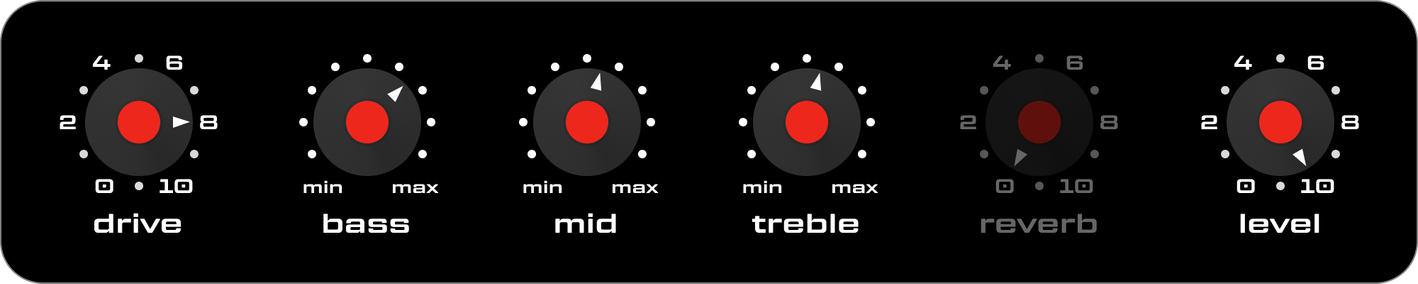
Result: Thick, articulate, and mean … perfect for big, fast riffs that don’t blur together.
Red Fang – Modern Clarity with Vintage Brutality
Red Fang brought the Beta sound into the high-fidelity era. Guitars that punch through dense mixes without turning to mush. The band often blends Betas with tube amps, showing how the CMOS preamp can complement more traditional gear. Listen to for that quintessential Beta in the band sound.
Try This Setting:
- Bass: 6
* Mid: 5
* Treble: 6
* Drive: 7
* Blend: Clean channel in left, dirty in right

Nirvana (Bleach Era) – Primitive Aggression
During the Bleach sessions and early Sub Pop tours, Kurt Cobain’s rig included a Beta Lead — most likely borrowed or backlined. The Beta’s rasp and fast attack suited his heavy-handed right hand and penchant for jagged power chords.
Tool (Early Years) – Clean Low-End That Cuts
While Adam Jones’s rig evolved over time, early Tool bass tones reportedly leaned on the Beta Bass as part of his amp sounds (we think it was for the tight, fast low end). The key here? Clarity without flub. CMOS clipping doesn’t get woofy — perfect for polyrhythmic bass lines in drop tuning.
Sculpting Tone: Beta EQ Recipes
The Beta’s active EQ gives it more in common with a studio channel strip than a traditional amp tone stack. Here’s how to exploit that.
Brian May – Style Cocked Wah
- Bass: -4
* Mid: 9
* Treble: 4
* Drive: 7~8
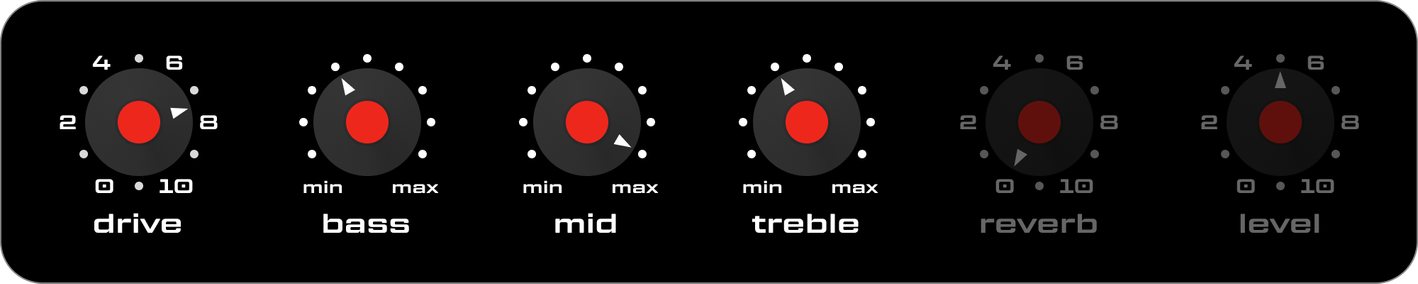
Result: Nasal, vocal, lead tone that cuts.
Chunky Rhythm
- Bass: 6
* Mid: 3
* Treble: 6~7
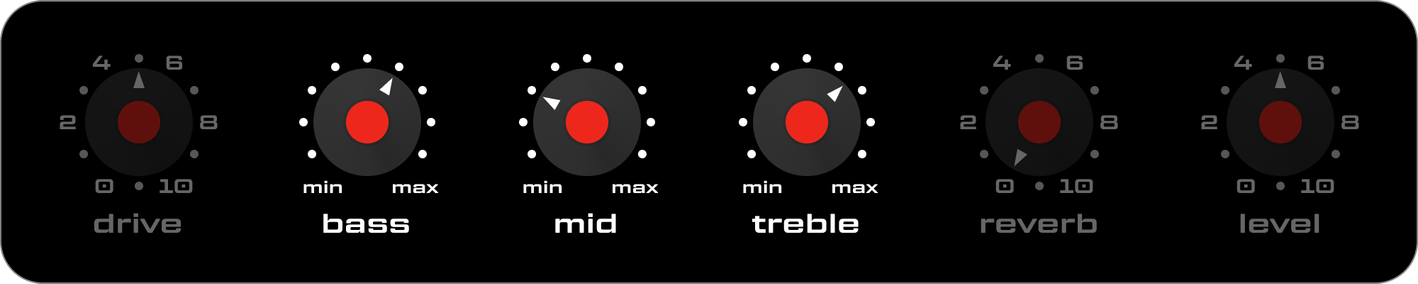
Sculpted for fast palm-muted chugs. You’ll feel it in the chest.
Cut-Through Lead Boost
- Bass: 5
* Mid: 7
* Treble: 7~8 (depending on pickup type)
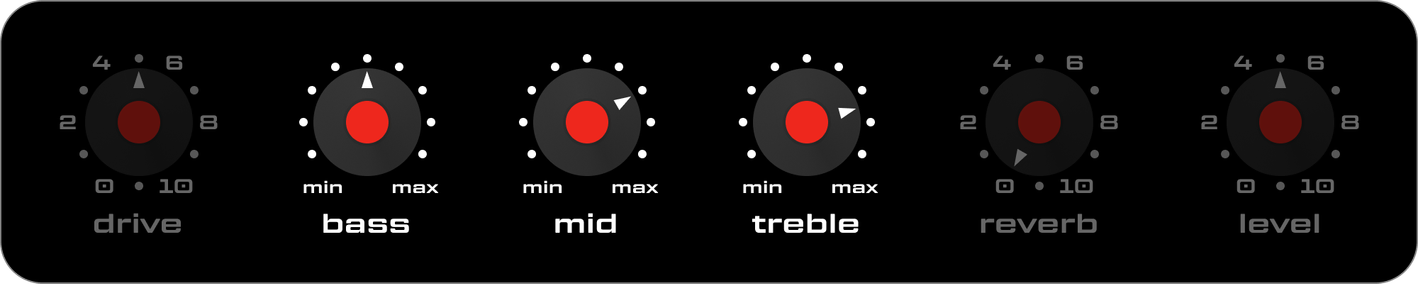
Takes your solos out of the murk and straight to the front of the mix.
Bass Guitar Grind
- Bass: 5
* Mid: 6~7
* Treble: 5
* Drive: 6 (run it hot)
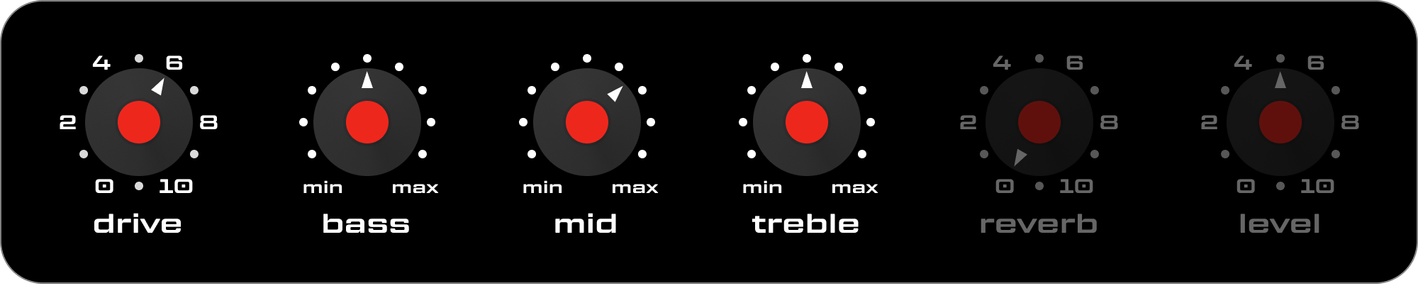
Glue your bass into the mix without masking the guitars.
Stereo Madness
Both the original and reissue Beta Lead include two independent channels — with separate EQs and gains. That’s not just for switching. It’s for splitting.
Try this:
* Left Channel: Clean tone, flat EQ.
* Right Channel: CMOS drive, sculpted EQ.
* Pan hard left and right in your mix.
Result: Width, space, and dimension. It’s a secret weapon for modern recordings — especially in duo setups or when you need to fill space without layering guitars.
CMOS in the Studio
The Beta isn’t just a live amp. It’s an incredible studio tool. Because it holds clarity under gain, it layers better than many tube amps. You can double tracks without mud. You can print wide stereo signals. You can go direct from the line out or mic a cab — or both.
Even better? The EQ responds well to pedals — overdrives, modulations, fuzz, and time-based effects all sit nicely without getting swallowed.
Final Thoughts
If Part One was the map, Part Two is the legend. The Sunn Beta Lead and Beta Bass are more than cult amps — they’re tools of precision chaos. They offer a palette of tones that reward risk-takers and DIY tone sculptors. If you want something that doesn’t just sound like everything else — plug in.
Because sometimes, the best way to be heard… is to get loud in a different language.
Explore the Beta Series at sunnamps.com